Bathroom Renovation Cost UK 2026: £4,000-15,000 for a Full Refit (Supply and Fit)
Written by Tom Ellis · Senior Trades Editor
Last updated: July 2026
Quick Answer
A full bathroom renovation in the UK costs £4,000-15,000 in 2026 depending on quality and size. A budget refit with mid-range sanitaryware costs £4,000-6,000. A mid-range renovation with quality tiles and fixtures costs £6,000-10,000. A premium en-suite or large family bathroom costs £10,000-15,000 or more. London adds 25-40% to these figures.
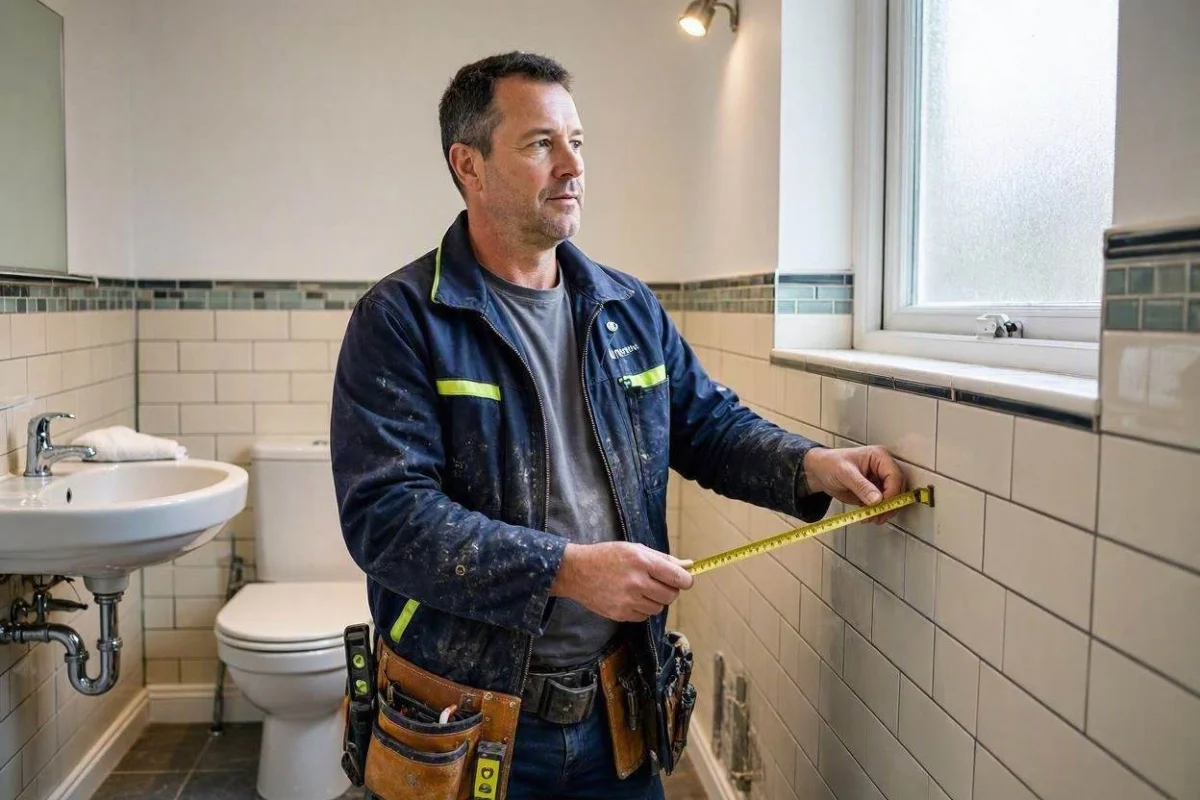
What Does a Bathroom Renovation Cost in the UK?
A bathroom renovation is one of the most involved projects a homeowner can take on. It brings together multiple trades at once, plumbing, tiling, electrical work, plastering, and sometimes carpentry, and the coordination of all those elements is what makes it both time-consuming and expensive if you do not go in with realistic expectations.
In 2026, a full bathroom renovation in the UK typically costs between £4,000 and £15,000 on a supply-and-fit basis, meaning the quote covers both labour and materials. At the budget end, you are looking at ceramic tiles, mid-range sanitaryware from retailers like Victorian Plumbing or Bathstore, and a functional layout that stays largely in its existing footprint. At the premium end, you get large format porcelain tiles, freestanding baths, walk-in rainfall showers, and potentially underfloor heating beneath the tile.
The biggest driver of cost after size and quality is whether the layout is changing. Keeping the toilet, basin, and bath or shower in roughly the same position means the existing waste pipes and soil stack can stay where they are, and that saves a significant amount of plumbing labour. Moving the toilet across the room, for example, can add £500-1,500 to the plumbing cost alone depending on the complexity of rerouting the soil pipe. If you are working to a tight budget, keeping the layout is often the single most effective way to save money without compromising the finish.
This guide is aimed at both homeowners planning a renovation and self-employed tradespeople, particularly plumbers and tilers, who want to benchmark what jobs like this should cost and what they should be quoting. For a detailed breakdown of what a plumber charges separately, see the plumber hourly rate guide.
All figures in this guide are for 2026 and reflect current labour and materials pricing in the UK market. London and South East prices are addressed separately in the regional section below.
Bathroom Renovation Cost by Tier (2026)
The table below shows typical all-in costs for a standard UK bathroom of around 4-6 square metres, fully renovated on a supply-and-fit basis. Costs include labour, sanitaryware, and basic materials. Tiles are typically priced separately and are listed in the exclusions section below.
| Specification Tier | Typical Cost |
|---|---|
| Budget (basic sanitaryware, ceramic tiles) | £4,000-6,000 |
| Mid-range (quality sanitaryware, porcelain tiles) | £6,000-10,000 |
| Premium (designer sanitaryware, large format tiles) | £10,000-15,000 |
| Luxury (bespoke, heated floors, walk-in shower) | £15,000-25,000+ |
Figures are for a standard bathroom of 4-6m2 in England outside London. London adds 25-40%. Tile cost is typically additional at £15-80 per m2 supplied.
What Is Typically Included in a Bathroom Renovation Quote?
A standard supply-and-fit bathroom renovation quote from a reputable bathroom company or experienced plumber should cover the following elements. Always check against the written quote to be sure, as different tradespeople and companies bundle costs differently.
- Strip out of the existing bathroom, including disposal
- Plumbing labour and basic materials (pipework, fittings, sealant)
- Tiling labour (the tiles themselves are usually priced separately)
- Electrical work covering extraction fan, lighting, and shaver point
- Sanitaryware supply and installation
- Plastering and skim coat to walls where required
- Painting the ceiling and any unpainted surfaces
Some bathroom fitters work as a one-man operation covering most of the trades themselves, while others subcontract the electrical and plastering work. Either approach is fine as long as the end result is backed by appropriate qualifications and guarantees. Electrical work in a bathroom must comply with Part P building regulations and should be carried out by a registered electrician or someone with the appropriate competency certification.
What Is Usually Not Included?
There are several items that are commonly excluded from a standard bathroom renovation quote, and these can add up quickly if you are not aware of them upfront.
- Tiles themselves: budget £15-80 per m2 to supply, depending on tile type and origin
- Sanitaryware if sourced separately by the customer rather than through the fitter
- Heated towel rail: add £200-500 fitted depending on size and finish
- Underfloor heating: add £1,000-2,500 for a standard bathroom depending on system type
- Structural work if walls need to be opened up or joists strengthened
- Mould remediation if there is existing damp behind the tiles or in the ceiling void
It is worth having a specific conversation with your tradesperson about tiles before any work starts. Tile quantities, layout, wastage, and fixing costs all vary considerably depending on the tile size and format. Large format tiles (600x600mm or above) cost more per square metre to lay because they are heavier, require large-format tile adhesive, and demand more precise preparation of the wall substrate. A tiler pricing for 300x300mm ceramic tiles is working to a very different labour cost than one laying 600x1200mm rectified porcelain slabs.
Key Factors That Affect Bathroom Renovation Cost
Several factors can move a bathroom renovation budget significantly upward or downward. Understanding these before you start will help you prioritise where to spend and where to hold back.
Bathroom size
Larger bathrooms cost more to tile, more to plumb, and more to heat. An en-suite of 2-3m2 will naturally cost less than a large family bathroom of 8-10m2, even at the same specification. Most standard UK bathrooms fall in the 4-6m2 range, which is what the cost table above is based on.
Quality of sanitaryware and tiles
A basin, toilet, and bath set from a mid-range UK supplier costs £400-800. The same suite in a designer brand like Villeroy and Boch or Duravit can cost £2,000-5,000. Tiles follow a similar pattern: standard ceramic tiles cost £15-30 per m2 while premium porcelain slabs can reach £60-100 per m2 before laying costs. Choosing where to spend and where to save on materials is the most flexible lever in any bathroom budget.
Whether the layout is changing
Moving the position of the toilet, basin, or bath adds considerable plumbing cost because waste pipes need to be rerouted. Moving the toilet to the opposite wall, for example, often means running new soil pipework under the floor, which can add £500-1,500 in labour and materials alone. Keeping the layout broadly the same is the single most cost-effective decision you can make on a constrained budget.
Wet room vs standard shower enclosure
A wet room requires the entire floor and lower walls to be tanked (waterproofed), a linear drain to be set into the floor screed, and the floor to be formed with a proper fall toward the drain. This adds cost over a standard shower tray and enclosure, typically 20-40% more for that element of the job. The result is visually clean and accessible, but it is not always worth the premium unless the design specifically calls for it.
Underfloor heating
Electric underfloor heating mats cost £300-600 to supply and fit in a standard bathroom. Wet underfloor heating connected to the central heating system costs considerably more, typically £1,000-2,500 including manifold and controls, because it requires the floor screed to be lifted and relaid. If you are having the floor done anyway, adding electric UFH mats is a relatively affordable upgrade that makes a real difference in daily comfort.
London and South East premium
Labour costs in London and the South East are significantly higher than the national average. A bathroom renovation that costs £7,000 in Manchester or Leeds could easily reach £9,000-10,000 in London for identical work. This reflects higher tradesman rates, more expensive van running costs, parking, and congestion charges that all feed into the charge-out rate.
Regional Price Variation Across the UK
Labour costs for bathroom renovation vary considerably depending on where you are in the country. The figures in the cost table above reflect the national average. Here is how different regions compare.
| Region | Vs National Average | Mid-Range Renovation |
|---|---|---|
| London | +25-40% | £8,500-14,000 |
| South East | +15-20% | £7,500-12,000 |
| South West / East Anglia | National average | £6,500-10,000 |
| Midlands | National average | £6,000-9,500 |
| North West / Yorkshire | -5-8% | £5,800-9,000 |
| North East | -8-12% | £5,500-8,500 |
| Wales / Scotland | -5-10% | £5,500-9,000 |
The London premium reflects higher tradesman rates, material delivery costs, parking, and the general cost of doing business in the capital. If you are in a major city outside London such as Manchester, Birmingham, or Leeds, expect rates closer to the national average rather than the London figure. Rural areas within any region may see slightly higher costs if tradespeople are travelling further between jobs, or slightly lower costs if labour demand is less intense.
How to Get Accurate Quotes for a Bathroom Renovation
Getting three quotes is the standard advice, and it is good advice, but only if those three quotes are genuinely comparable. Here is how to make that happen.
For homeowners
- Prepare a clear brief before anyone visits. Decide whether the layout is changing, what sanitaryware you want (if you have a preference), and what your tile budget is. The vaguer the brief, the wider the variation between quotes.
- Ask each tradesperson to quote to the same specification. If one includes tiles and another does not, you cannot compare the bottom line figures.
- Ask for a written breakdown separating labour from materials. This lets you see where the money is going and makes it easier to adjust the spec if a quote comes in over budget.
- Check whether VAT is included. Self-employed tradespeople below the VAT threshold do not charge VAT, but larger bathroom companies will. A quote of £8,000 plus VAT is actually £9,600.
- Ask about timelines and payment terms upfront. A reputable fitter will not ask for more than a 25-30% deposit before work starts.
For tradespeople quoting bathroom renovations
When quoting a bathroom renovation, the most important thing is to be thorough on the site visit. Check the condition of the existing plasterwork, look for any signs of damp or mould behind the tiles, confirm the soil stack position, and assess whether the floor will need levelling before tiling. Costs hidden inside a wall or floor that only emerge during strip-out are the most common reason bathroom quotes escalate mid-job.
Price all your labour carefully using your actual day rate as the baseline, not what you think the customer wants to hear. The labour cost estimator can help you work through the time breakdown by task, and the bathroom renovation cost calculator gives you a structured way to build the overall quote. For checking your underlying day rate is right before you build anything on top of it, the hourly rate calculator is the place to start.
Always include a clear payment schedule in your written quote, with milestones tied to stages of work rather than arbitrary dates. Strip out complete, first fix complete, tiling complete, and second fix complete are natural payment points that work well for both parties.
Frequently Asked Questions
How long does a bathroom renovation take?
A standard bathroom renovation takes 5-10 working days. This includes strip out (1 day), first fix plumbing and electrics (1-2 days), plastering and waterproofing (1-2 days), tiling (2-3 days), second fix plumbing and sanitaryware fitting (1-2 days), and final snagging. Moving waste outlets or completely changing the layout adds 2-3 days. Bear in mind that drying times for plaster and adhesive can extend the overall programme even when there are no extra tasks: most plasters need 24-48 hours before they can be tiled over, and grout and silicone sealant need time to cure before the bathroom is used. A realistic expectation for a full renovation with one main tradesperson is around 7-8 working days from start to finish.
Do I need planning permission for a new bathroom?
No. Bathroom refits are permitted development in England and Wales. You do not need planning permission unless you are converting a bedroom into a bathroom in a listed building, or the work involves structural changes like removing a load-bearing wall. Building regulations approval may be required if electrical work is being done near water zones, and all electrical work in bathrooms must comply with Part P of the Building Regulations. Your electrician or bathroom fitter should handle the notification and certification for this. If you are in Scotland or Northern Ireland, permitted development rules differ slightly, so it is worth confirming with your local authority if you are in any doubt about structural changes.
What is the cost of a wet room vs a standard bathroom?
A wet room costs 20-40% more than a standard bathroom with a shower enclosure. The additional cost comes from tanking (waterproofing the entire floor and walls), a linear drain instead of a shower tray, and the need for a proper fall in the floor for drainage. Budget £6,000-9,000 for a basic wet room and £10,000-18,000 for a mid-range finish. The floor screed often needs to be fully removed and relaid with the drain channel set at the correct level and the gradient formed accurately toward it. This is skilled work and the quality of the tanking is critical: a poorly executed wet room will leak within a few years. If you are going down the wet room route, use a tradesperson with specific wet room experience and ask to see references from previous wet room installations.
Can I save money by supplying my own sanitaryware?
You can supply your own sanitaryware and tiles, which removes the tradesman markup, typically 15-25%. However, tradesmen may not warranty work on customer-supplied goods, and you will be responsible if anything is damaged during delivery or found to be faulty. For high-end pieces where you have a specific product in mind, customer supply often makes sense and the savings can be meaningful. For standard plumbing fixtures, it is worth discussing with your plumber before ordering: they may have trade accounts with suppliers that give them better pricing than you can access retail, and the convenience of them managing the supply chain is sometimes worth the markup. Never order tiles before the tiler has confirmed the exact quantity needed, including a wastage allowance of 10-15%.
What are the most expensive parts of a bathroom renovation?
Labour is the largest cost, typically 50-60% of the total project budget. Within materials, bespoke tiles and large format porcelain are the biggest variable costs. Moving the toilet or changing the soil stack adds significant plumbing cost. Underfloor heating, heated towel rails, and custom fitted furniture are the most common items that push budgets over initial quotes. If you are trying to control costs, the most effective approach is to fix the layout, choose mid-range tiles rather than premium large format slabs, and get a detailed written quote that explicitly lists what is and is not included before any work begins. Scope creep, things you decide to add once the bathroom is stripped out and you can see what is behind the walls, is the most common reason renovation costs run over budget.
Ready to Start Your Bathroom Renovation?
Get free quotes from rated local tradespeople through Sleepless Tradesman. Compare bathroom renovation prices from plumbers and fitters in your area.
Get free bathroom quotesRelated Guides and Tools
Plumber Hourly Rate UK 2026
What plumbers charge per hour and per day
Tiler Day Rate UK 2026
Tiling labour costs by tile type and region
Plasterer Day Rate UK 2026
Plastering rates for walls and ceilings
Hourly Rate Calculator
Work out the right rate for your trade business
Bathroom Renovation Cost Calculator
Estimate total project cost by spec and size
Labour Cost Estimator
Build a labour cost breakdown by task and day rate