AI vs Traditional Quoting: Why Tradesmen Are Switching
Discover why tradespeople are abandoning spreadsheets for AI quoting systems that cut quote time by 75% and boost accuracy.
Written by Tom Ellis · Senior Trades Editor
Last updated: 4 April 2026
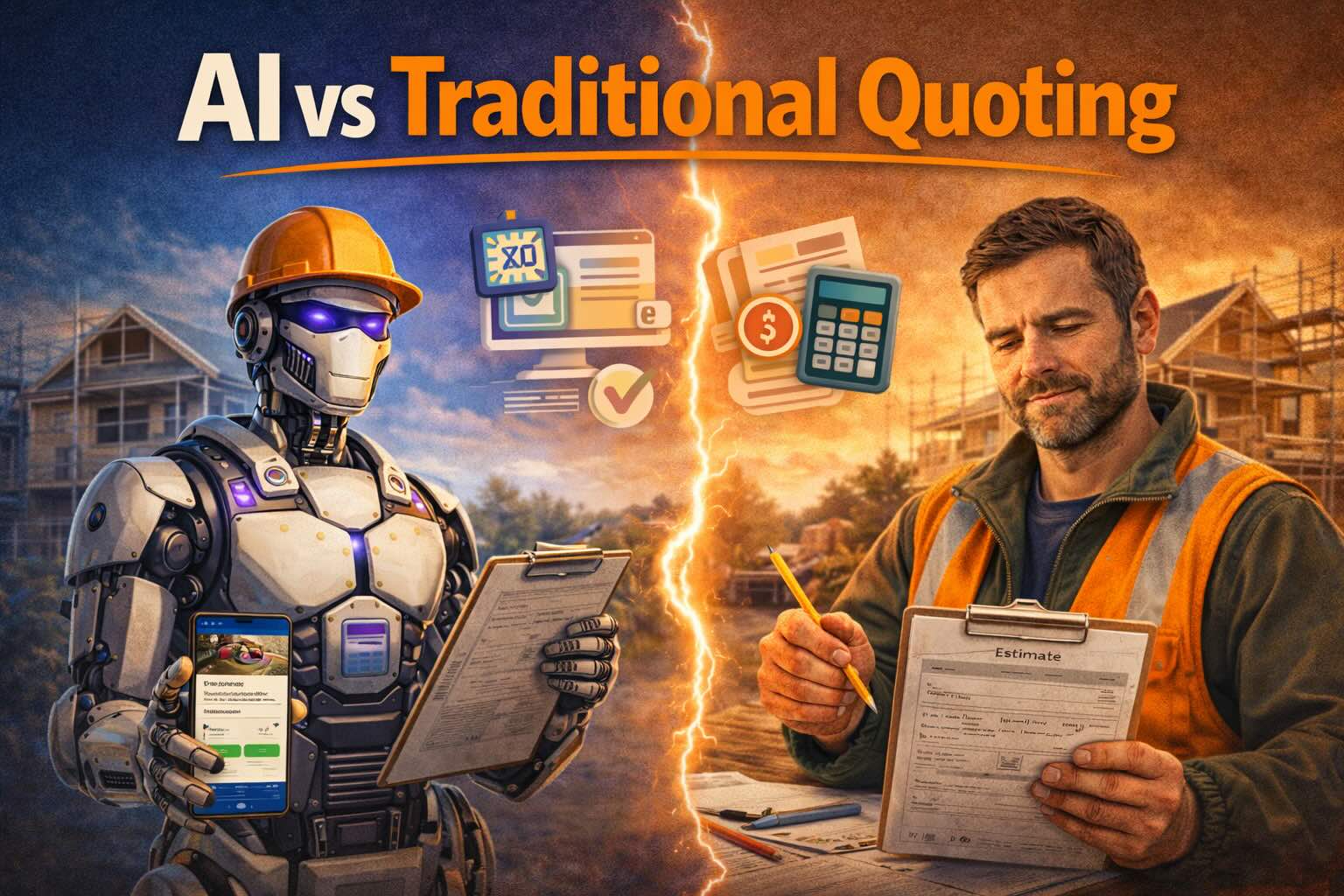
The construction industry has relied on traditional quoting methods for decades, but a revolution is underway. Across the UK, electricians, plumbers, builders, and other skilled tradespeople are discovering that AI quoting systems can transform how they price jobs, win customers, and grow their businesses.
Whilst some traditionalists remain sceptical, the numbers don't lie: tradesmen using AI-powered quoting report 75% faster quote preparation, 40% fewer pricing errors, and significantly higher customer satisfaction rates. But what's driving this shift, and should you make the switch?
The Reality of Traditional Quoting Methods
Most tradespeople still rely on a combination of experience, gut instinct, and basic tools to prepare quotes. The typical process involves:
- Visiting the job site
- Taking measurements and photos
- Returning to the office (or van) to calculate materials
- Creating estimates based on previous similar jobs
- Manually typing up quotes in Word or basic templates
- Following up days later with the customer
Whilst this approach has worked for generations, it's increasingly showing its limitations. A typical quote for a bathroom renovation might take 2-3 hours to prepare properly, including travel time, measurements, calculations, and document creation. For smaller jobs, this time investment often doesn't justify the potential profit.
The biggest challenge? Consistency. One tradesman might price a kitchen rewire at £2,500 whilst another charges £4,000 for identical work. This inconsistency stems from different approaches to calculating labour time, material costs, and profit margins.
How AI Quoting Systems Work
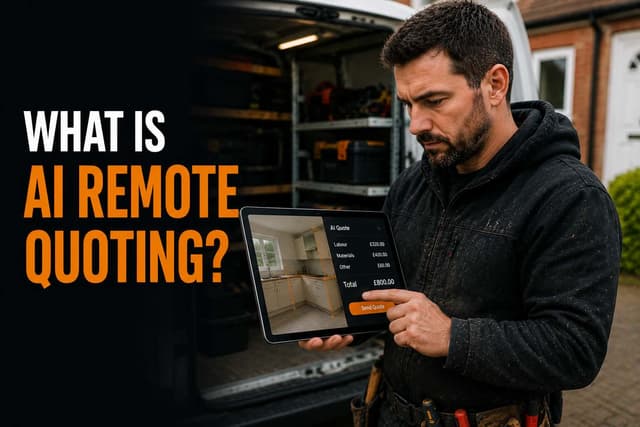
AI quoting for tradesmen represents a fundamental shift in approach. Instead of starting with measurements and calculations, you begin with a conversation. Modern platforms like Sleepless Tradesman allow you to describe a job in plain English: "Customer wants a full bathroom renovation, removing existing suite and installing new bath, toilet, basin, and tiling."
The AI then:
- Breaks down the job into specific tasks
- Calculates material requirements based on standard specifications
- Estimates labour time using industry benchmarks
- Factors in local material costs through real-time price lookups
- Generates professional quotes ready for immediate sending
Photo analysis capabilities add another dimension. Upload images from the job site, and AI can assess the scope of work, identify potential complications, and adjust estimates accordingly. A photo showing outdated electrical systems might prompt the AI to suggest additional safety upgrades or factor in extra time for compliance work.
Speed and Efficiency Advantages
The most immediate benefit of AI vs traditional quoting is speed. What once took hours now happens in minutes. Consider these scenarios:
Traditional Method: Site visit → measurements → return journey → spreadsheet calculations → template formatting → customer follow-up
AI Method: Site photos → conversational description → instant quote generation → immediate PDF export
Real-world case studies show remarkable time savings. A heating engineer in Manchester reports reducing his average quoting time from 90 minutes to 20 minutes per job. An electrician in Bristol now prepares quotes on-site, converting 60% more enquiries into confirmed work.
The efficiency gains compound when handling multiple enquiries. Traditional methods create a bottleneck where each quote requires dedicated desk time. AI quoting allows you to process multiple enquiries simultaneously, responding to customers within hours rather than days.
Accuracy and Consistency Benefits
Human error in quoting costs tradespeople thousands annually. Forgetting to include VAT, miscalculating material quantities, or underestimating labour time can turn profitable jobs into financial disasters.
AI quoting tradesman tools eliminate common calculation errors through systematic approaches:
- Material calculations: Based on standardised specifications and waste factors
- Labour estimates: Using historical data from thousands of similar jobs
- Regulatory compliance: Automatic inclusion of required certifications and safety measures
- Pricing consistency: Standardised markup and profit margin applications
A plasterer in Leeds discovered he'd been undercharging for materials by 15% across multiple jobs. The AI system identified this pattern and suggested corrections, immediately improving his profit margins.
Professional Presentation and Customer Experience
First impressions matter enormously in the trades. A professionally presented quote signals competence, reliability, and attention to detail. Traditional methods often result in basic Word documents or handwritten estimates that don't inspire confidence.
AI-generated quotes typically include:
- Professional branding with company logos and colours
- Detailed breakdowns of labour and materials
- Clear terms and conditions
- Digital signatures for immediate acceptance
- Automatic follow-up scheduling
Customers increasingly expect digital experiences. The ability to receive, review, and approve quotes electronically appeals to modern consumers. Studies show that professionally presented quotes convert 35% better than basic alternatives.
Cost Considerations and ROI
The investment in AI quoting systems varies, but the return on investment typically justifies costs within the first month. Consider these financial impacts:
Time Savings: Reducing quote preparation from 2 hours to 30 minutes saves 1.5 hours per enquiry. For a tradesman handling 20 enquiries weekly, that's 30 hours saved monthly.
Increased Conversion: Professional presentation and faster response times improve quote acceptance rates. Even a 10% improvement in conversions significantly impacts annual revenue.
Reduced Errors: Eliminating underquoting saves money on every job. A single avoided error can cover software costs for months.
Competitive Advantage: Faster quotes win more work in competitive markets.
Common Concerns and Misconceptions
Despite clear benefits, some tradespeople resist AI quoting. Common concerns include:
"It's not personal enough": Modern AI systems enhance rather than replace personal service. You still visit sites, meet customers, and provide expert advice. The AI simply handles administrative tasks more efficiently.
"Every job is different": Whilst jobs vary, underlying principles remain consistent. AI systems learn from variations and adapt recommendations accordingly.
"I don't trust automated calculations": Transparency is key. Good AI systems show their working, allowing you to understand and adjust calculations as needed.
"It's too complicated": Modern interfaces prioritise simplicity. If you can have a conversation about a job, you can use AI quoting.
Integration with Existing Workflows
Successful adoption requires integration with current working methods. The best AI quoting systems complement existing processes rather than disrupting them entirely.
Many tradespeople start by using AI for specific job types—perhaps bathroom installations or electrical rewires—before expanding to other work areas. This gradual approach builds confidence and allows fine-tuning of the system.
Mobile accessibility proves crucial. Being able to generate quotes on-site, directly in front of customers, transforms the sales process. Native mobile apps ensure full functionality regardless of location.
The Future of Trade Quoting
Automated quoting represents just the beginning of AI's impact on trades. Emerging capabilities include:
- Predictive maintenance: AI suggests optimal service intervals based on installation data
- Seasonal pricing: Automatic adjustments for demand fluctuations
- Customer relationship management: AI tracks customer history and preferences
- Regulatory updates: Automatic incorporation of new building standards and regulations
Early adopters position themselves advantageously as these technologies mature. The question isn't whether AI will transform trade quoting—it's whether you'll lead or follow the transition.
Making the Switch: Practical Steps
Transitioning from traditional to AI quoting requires planning:
- Start small: Begin with one job type or customer segment
- Maintain backup methods: Keep traditional processes available during transition
- Train gradually: Learn system capabilities through regular use
- Gather feedback: Ask customers about their experience with new quote formats
- Measure results: Track time savings, conversion rates, and accuracy improvements
The Sleepless Tradesman platform offers a free tier allowing 10 AI messages monthly—perfect for testing the waters without commitment.
Frequently Asked Questions
How accurate are AI-generated quotes compared to manual estimates?
AI quoting systems typically achieve 85-95% accuracy on standard jobs, often exceeding manual estimates. They excel at consistent material calculations and labour time estimates based on historical data. However, complex or unusual jobs may still require manual adjustments.
Can AI quoting handle specialised trades like gas engineering or electrical work?
Yes, modern AI systems understand trade-specific requirements including safety regulations, certification needs, and specialised materials. They can factor in Part P compliance for electrical work or Gas Safe requirements for heating installations.
What happens if the AI gets something wrong in a quote?
Reputable AI quoting systems allow full editing and customisation of generated quotes. You maintain complete control over final pricing and can adjust any elements before sending to customers. Many platforms also learn from your corrections to improve future accuracy.
How do customers respond to AI-generated quotes?
Customers typically respond positively to professional presentation and fast turnaround times. Most don't know or care whether quotes were generated by AI—they simply appreciate detailed, accurate estimates delivered promptly.
Is my business data safe with AI quoting platforms?
Established platforms use enterprise-grade security including data encryption and secure cloud storage. Look for providers offering clear privacy policies and compliance with UK data protection regulations. Your customer information and business data should remain confidential and secure.
Conclusion
The shift from traditional to AI quoting isn't just about technology—it's about staying competitive in an evolving market. Customers expect faster responses, professional presentation, and competitive pricing. AI quoting systems deliver all three whilst reducing your administrative burden.
Whether you're a sole trader or run a larger operation, the efficiency gains from automated quoting can transform your business operations. The time saved on quote preparation can be reinvested in actual work, customer service, or business development.
If you're ready to explore how AI can streamline your quoting process and boost your conversion rates, Sleepless Tradesman offers the tools and support to make the transition smooth and profitable. The future of trade quoting is here—and it's more accessible than you might think.
Ready to work smarter?
Join thousands of tradespeople using AI to save time on quotes, invoices, and job planning.
Try Sleepless Tradesman FreeRelated Guides
Free resources from our UK tradesperson guide library