Building Regulations Checklist: What Every UK Tradesman Must Know
Essential building regs checklist for UK tradesmen. Stay compliant, avoid costly mistakes, and protect your business with this comprehensive guide.
Written by Tom Ellis · Senior Trades Editor
Last updated: 26 April 2026
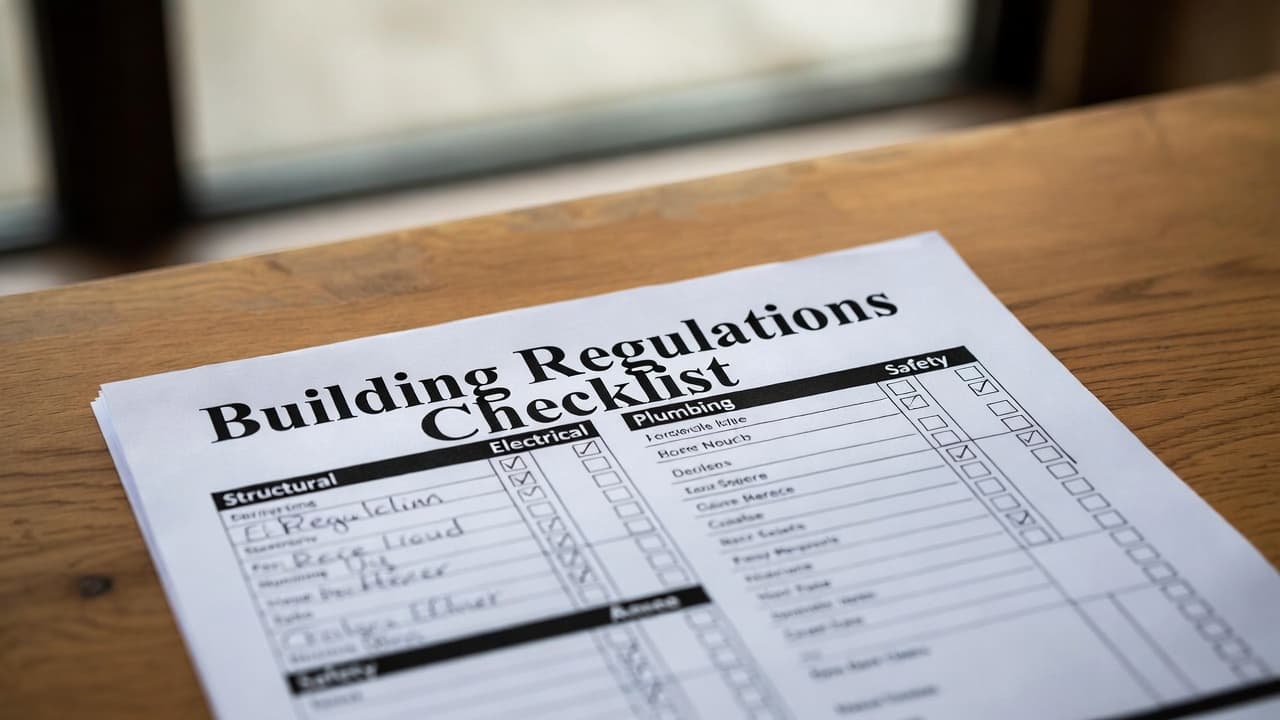
Building regulations UK tradesman compliance isn't just about ticking boxes—it's about protecting your reputation, your customers, and your business from potentially devastating consequences. Whether you're a seasoned professional or just starting out, understanding when and how to apply building regulations can save you thousands in rectification costs and legal headaches.
Every year, thousands of UK tradespeople face enforcement action, costly remedial work, or insurance claims because they overlooked crucial building regulations requirements. The complexity of modern building standards, combined with frequent updates and regional variations, makes compliance challenging even for experienced professionals.
Understanding Building Regulations: The Foundation of Compliance
Building regulations exist to ensure construction work meets minimum standards for health, safety, welfare, convenience, and energy efficiency. Unlike planning permission, which controls what you can build, building regulations control how you build it.
The regulations apply to most building work in England and Wales, including new builds, extensions, conversions, and certain types of repairs and replacements. Scotland has its own system through building standards, whilst Northern Ireland follows separate technical booklets.
When Building Regulations Apply
Building regulations typically apply when you're:
- Erecting new buildings or structures
- Extending existing buildings
- Making structural alterations
- Converting buildings for different uses
- Installing or replacing certain services (heating, electrical, drainage)
- Carrying out significant repairs using different materials
- Installing replacement windows, doors, or roof lights
The key principle is that any work affecting the structure, safety, or energy efficiency of a building likely requires compliance with building regulations.
Essential Building Regs Checklist for Different Trades
Structural Work Checklist
For builders, joiners, and anyone undertaking structural alterations:
Foundation and Ground Work:
- Ensure adequate foundation depth (minimum 450mm in non-frost areas, 750mm where frost is likely)
- Check ground conditions and drainage requirements
- Verify load-bearing calculations for new structural elements
- Confirm radon protection measures where applicable
Structural Elements:
- Beam and joist sizing calculations completed
- Steel beam connections properly designed
- Wall tie specifications for cavity walls
- Lintels appropriately sized and supported
- Staircase regulations (rise, going, headroom, handrails)
Electrical Work Compliance
Electricians must navigate Part P of the building regulations:
Notifiable Electrical Work:
- New circuits in kitchens, bathrooms, or outdoors
- Consumer unit replacements
- Work in special locations (swimming pools, saunas)
- New circuits in any location
Non-Notifiable Work (but still must comply):
- Socket and switch replacements
- Light fitting installations on existing circuits
- Minor repairs and maintenance
All electrical work must comply with BS 7671 (18th Edition Wiring Regulations), and certificates must be provided for all work undertaken.
Plumbing and Heating Regulations
Gas engineers and plumbers face multiple regulatory requirements:
Water Supply and Drainage:
- Backflow prevention measures
- Pipe sizing and materials compliance
- Access for maintenance requirements
- Water efficiency measures (flow restrictors, dual-flush WCs)
Heating Systems:
- Boiler efficiency standards (ErP Directive compliance)
- Heating controls (thermostatic radiator valves, programmers, room thermostats)
- Insulation of pipework and vessels
- Commissioning and handover documentation
Notification Procedures: Getting It Right
Building Notice Route
The simplest route for straightforward work involves submitting a building notice at least 48 hours before starting work. This costs around £200-£300 for most domestic projects but doesn't provide advance approval—you're taking the risk that the work will be acceptable.
Full Plans Application
For complex projects, submit detailed plans before starting work. This takes 5-8 weeks but provides certainty that your approach meets regulations. The building control body will either approve, approve with conditions, or reject your application.
Approved Inspector Route
Private sector building control offers an alternative to local authority building control. Approved inspectors often provide more flexible service but charge commercial rates.
Common Compliance Pitfalls and How to Avoid Them
Inadequate Documentation
Many tradespeople assume verbal agreements or basic sketches suffice for building control purposes. Proper documentation includes:
- Detailed drawings showing dimensions and specifications
- Structural calculations where required
- Product compliance certificates
- Installation instructions and warranties
Using tools like Sleepless Tradesman can help ensure your quotes and project documentation include all necessary regulatory considerations from the planning stage.
Misunderstanding Competent Person Schemes
Competent person schemes allow certain registered professionals to self-certify specific types of work. However, this doesn't mean the work is exempt from building regulations—it simply changes the notification process.
Major Competent Person Schemes:
- NICEIC and NAPIT (electrical work)
- Gas Safe Register (gas installations)
- HETAS (solid fuel installations)
- Benchmark (heating and hot water systems)
Inadequate Inspection Planning
Building control inspections typically occur at specific stages:
- Foundation inspection (before concreting)
- DPC inspection (before walls continue above DPC level)
- Pre-completion inspection (before occupation)
Skipping or delaying inspections can result in expensive remedial work if problems are discovered later.
Energy Efficiency and Sustainability Requirements
Part L Compliance (Conservation of Fuel and Power)
Energy efficiency requirements have become increasingly stringent:
New Dwellings:
- Fabric Energy Efficiency Standard (FEES)
- Primary Energy Rate calculation
- Air permeability testing
- Thermal bridging assessments
Existing Dwellings:
- Consequential improvements when extending
- Minimum U-value requirements for replacement elements
- Boiler efficiency standards
- Heating controls upgrades
Ventilation Requirements (Part F)
Proper ventilation design prevents condensation and maintains indoor air quality:
- Minimum ventilation rates for habitable rooms
- Extract ventilation in wet rooms
- Background ventilation requirements
- Mechanical ventilation system design and commissioning
Technology and Building Regulations Compliance
Modern technology can significantly simplify building regulations compliance. Digital tools help track regulatory requirements, generate compliant documentation, and ensure nothing falls through the cracks.
Platforms like Sleepless Tradesman include AI-powered building regulation compliance checks, helping tradespeople identify potential issues before they become expensive problems. The system can analyse your project descriptions and flag relevant regulatory considerations, saving time and reducing risk.
Working with Building Control Officers
Building Professional Relationships
Building control officers are there to help ensure compliance, not to obstruct your work. Maintaining professional relationships involves:
- Providing accurate, complete information upfront
- Scheduling inspections appropriately
- Addressing concerns promptly and professionally
- Understanding their constraints and pressures
Dealing with Enforcement Action
If work doesn't comply with building regulations, enforcement action may follow:
- Enforcement Notice: Requires remedial work within a specified timeframe
- Prosecution: For serious breaches, potentially resulting in unlimited fines
- Injunction: Court order to stop non-compliant work immediately
Regional Variations and Special Considerations
Wales-Specific Requirements
Wales has additional requirements including:
- Enhanced energy efficiency standards
- Welsh language considerations for signage
- Specific drainage and flood risk requirements
Conservation Areas and Listed Buildings
Special considerations apply in conservation areas and for listed buildings:
- Listed Building Consent may be required alongside building regulations approval
- Materials and methods may need to match existing construction
- Specialist expertise often required for compliance assessment
New Build Warranty Requirements
Most new homes require NHBC or similar warranty coverage, which imposes additional standards beyond basic building regulations compliance. These often exceed minimum regulatory requirements and include:
- Enhanced quality control procedures
- Specific material and workmanship standards
- Extended defect liability periods
Cost Management and Building Regulations
Budgeting for Compliance Costs
Building regulations compliance costs typically include:
- Application fees (£150-£500 for most domestic work)
- Inspection fees for building notice route
- Professional fees for drawings and calculations
- Testing and certification costs
- Potential remedial work if issues arise
Many tradespeople underestimate these costs, particularly for smaller projects. Using a savings calculator can help accurately price compliance requirements into your quotes from the start.
Value Engineering Within Regulations
Compliance doesn't always mean using the most expensive solution. Understanding the regulations allows for value engineering:
- Alternative construction methods that meet performance standards
- Bulk purchasing of compliant materials
- Efficient sequencing to minimise inspection requirements
- Using competent person schemes where applicable
Staying Current with Regulatory Changes
Amendment Tracking
Building regulations change frequently. Recent significant updates include:
- Fire safety requirements following Grenfell
- Enhanced energy efficiency standards
- Updated accessibility requirements
- New flooding and drainage requirements
Professional Development
Maintaining competence requires ongoing training and development:
- CPD courses from recognised providers
- Industry publications and technical updates
- Professional body membership and training
- Manufacturer training on new products and systems
Frequently Asked Questions
Do I always need building regulations approval for small jobs?
Not all work requires building regulations approval, but most structural changes, new services, or energy efficiency improvements do. When in doubt, check with building control before starting work. The cost of a quick phone call far outweighs the potential cost of non-compliance.
What happens if I start work without proper approvals?
Starting work without required building regulations approval can result in enforcement action, requirements to expose completed work for inspection, and potentially having to redo work that doesn't comply. It's always better to get approvals before starting.
How long do building regulations approvals take?
Building notice applications allow work to start after 48 hours, whilst full plans applications typically take 5-8 weeks. However, building notice applications carry more risk as you don't have advance approval of your approach.
Can I use my own building control inspector?
Yes, you can choose between local authority building control and approved inspectors. Approved inspectors often provide more flexible service but charge commercial rates. Both routes ensure the same regulatory standards are met.
What documentation do I need to provide to customers?
For notifiable work, you must provide building regulations certificates to customers. For competent person scheme work, you provide compliance certificates. Always keep copies for your records and ensure customers understand their importance for insurance and future sales.
Understanding building regulations UK tradesman requirements protects both your business and your customers. While the regulatory landscape can seem complex, proper planning and documentation make compliance straightforward. If you're looking to streamline your regulatory compliance and project documentation, Sleepless Tradesman can help ensure every quote includes the necessary regulatory considerations from the start, reducing risk and protecting your professional reputation.
Ready to work smarter?
Join thousands of tradespeople using AI to save time on quotes, invoices, and job planning.
Try Sleepless Tradesman FreeRelated Guides
Free resources from our UK tradesperson guide library